Am I Truly Learning, or Just Playing Catch-Up?
Jose SandoyaI spent a year and a half diving into every new AI tool — text generation, function calls, MCP, agents — only to realize I was always a step behind. The real problem? I had no system for spotting paradigm shifts, the deeper changes that make new tools inevitable. I was focused on learning things instead of understanding why they existed. Here's what that taught me about learning in a field that won't wait.
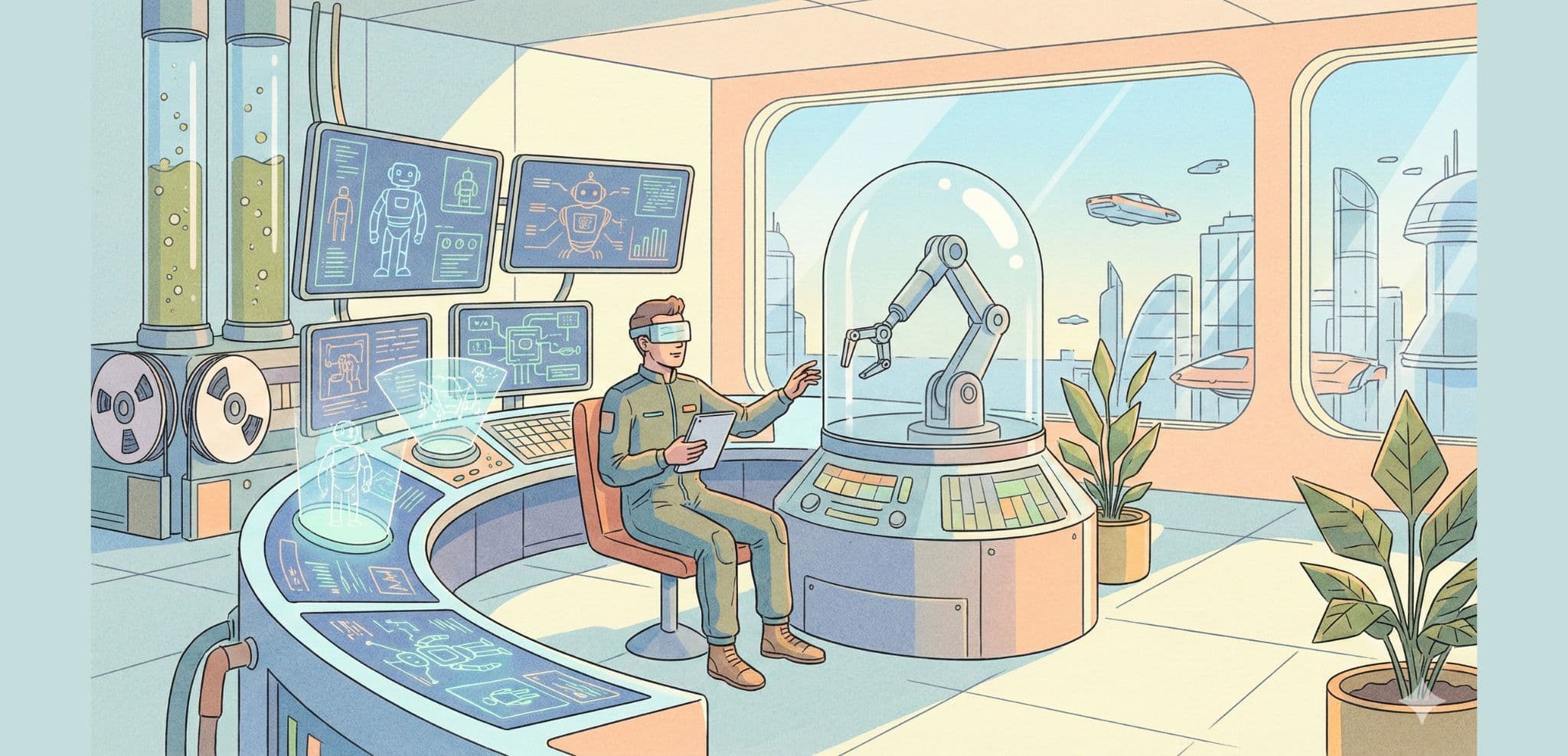
This was the question that hit me during the long weekend — after a year and a half of deciding to stay in the loop with AI learning, experimenting, and relevance.
As a developer, I've always had that itch to learn and practice whatever comes to our community. I chased the JavaScript/Node/React boom, dabbled in crypto (though I never developed a love for that one), and then, after OpenAI revolutionized everything with ChatGPT, I turned to generative AI.
The Journey
My journey started about a year and a half ago with text generation using the OpenAI API. This was probably the entry point for most of us and one of the easiest things to get comfortable with. I started adding some spice — elaborating more sophisticated prompts, handling chat memory, tinkering with parameters to see what I could get out of it.
From there, I added function calls to the mix, discovered the MCP protocol, and finally got curious about a term I had been hearing for a while: "AI Agents." I decided to give it a shot. Again, I used the OpenAI API to play around, and I have to admit — the experience wasn't great, given the complexity of working with the OpenAI Agents SDK.
To wrap up the brief summary: I discovered the AI SDK library and with it the possibility of connecting some of the learning dots I had gathered along the way — text generation, MCP, Generative UI, and Agents. I started a toy project to summarize AI news instead of endlessly scrolling on X. It was cool at the beginning, but soon I felt the wave was way ahead of me. All that time, I was just playing catch-up with whatever was being announced, and it felt like I was getting nowhere.
Then 2026 arrived, and with it a completely new breed of AI models and agent harnesses that caught me completely off guard. My suspicion from the past year was confirmed: I had been playing catch-up instead of riding ahead of the wave — and that was something I couldn't afford.
The Realization
My gaps weren't about missing any single tool or model. They were about not having a system for tracking paradigm shifts — the deeper structural changes that make new tools inevitable.
I was consistently arriving about six months late to the party after every major launch.
As Matt Shumer put it: "The specific tools don't matter as much as the muscle of learning new ones quickly."
What I Learned From All This
The biggest takeaway isn't about any specific tool or model I missed. It's that I was chasing things when I should have been reading patterns.
Every time a new tool showed up, I'd scramble to learn it. But I never stopped to ask the question that actually matters: "What shift made this thing possible, and what does that shift tell me is coming next?"
Here's what I mean. When MCP launched, the underlying paradigm was "standardized tool integration." If I had followed that thread instead of just learning the protocol, I would have seen what came next — agents getting more capable, harnesses becoming the real differentiator, multi-agent orchestration emerging. It was all predictable. I just wasn't looking at it from the right altitude.
And that's the habit I'm building now. Not a checklist of technologies to learn, but a way of thinking. When something new lands, I want my first instinct to be curiosity about why it exists now — not just how to use it.
The current shift, as I see it: models are becoming capable enough to contribute to their own development, and the infrastructure around them — harnesses, context engineering, orchestration — matters more than which model you pick. That thread is the one I'm pulling on.
I don't know if I'll get ahead of the wave. But at least now I know I was swimming in the wrong direction.